
Help drivers choose the right way to contact your shop
Drivers often search from a phone while dealing with a warning light, a noise, or overdue maintenance. Your site should make the next step clear.
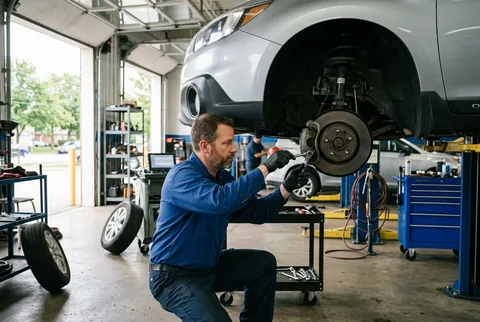
Organize services around the driver's concern
A useful shop website can separate maintenance, diagnostic work, brake concerns, tires, and other confirmed services. Drivers can then see whether the shop handles the issue before they call.
Vehicle limitations matter too. If the shop works on particular makes, excludes certain vehicles, or handles fleet work, those details belong near the relevant service information.
Clarify scheduling and drop-off expectations
A form submission may be an appointment request rather than a confirmed time. The website should use the shop's real scheduling process and explain what happens after a customer contacts the business.
Location, hours, after-hours drop-off instructions, towing guidance, and loaner availability should appear only when supplied by the shop. On mobile, the path to directions and the contact form should be easy to use from the parking lot or roadside.
Explain the diagnostic step in plain language
Drivers may arrive with a trouble code, an online guess, or a symptom that appears only sometimes. The site can explain that the shop confirms the needed work through its own process. It should avoid using a general page to promise a repair price before the vehicle is assessed.
Service pages can still answer useful questions about what information to share and how estimates are handled, based on the shop's confirmed policy.
Create a site that fits your shop
We build around the services, vehicles, service area, and scheduling flow the shop actually uses. That gives local drivers a clear route from a search to a service request.
Read more about the custom web design process and website pricing.
See your website before billing begins.
Share the business details and customer path. You will review the finished website on a temporary URL before you approve launch.